

Contact information
13823166663
What is Root Canal Treatment (RCT)
Root canal treatment (RCT) is a dental procedure designed to remove infected or damaged pulp tissue from inside a tooth. This treatment is essential for preserving the tooth and alleviating pain, allowing patients to maintain their natural teeth rather than resorting to extraction.
What is Root Canal Treatment?
A root canal is a procedure that involves cleaning out the pulp chamber and root canals of a tooth. The dental pulp is the innermost part of the tooth, containing nerves, blood vessels, and connective tissue. When this pulp becomes infected or inflamed, it can lead to severe pain and other complications.
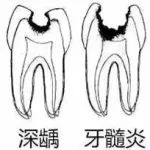
Why Do We Need Root Canal Treatment?
Root canal treatment is necessary for several reasons:
Infection or Inflammation: The primary reason for RCT is the infection or inflammation of the dental pulp, often caused by deep decay, trauma, or cracks in the tooth.
Pain Relief: Infected pulp can cause significant pain, which can be alleviated through RCT.
Prevent Tooth Loss: By treating the infection and preserving the tooth structure, RCT can prevent the need for extraction, allowing patients to keep their natural teeth.
Restore Functionality: After treatment, the tooth can continue to function normally, allowing for effective chewing and speaking.
When is Root Canal Treatment Needed?
Root canal treatment is typically indicated when:
There is severe toothache or sensitivity to hot and cold that persists after the stimulus is removed.
An X-ray shows signs of infection at the tooth's root, such as an abscess or bone loss.
There is swelling or tenderness in the gums around the affected tooth.
The tooth has been previously treated but is experiencing new issues.
Other Restorations Related to Root Canal Treatment
After a root canal, further restorative procedures are often necessary to fully restore the tooth:
Dental Crown: Most teeth that undergo RCT will require a dental crown to protect the tooth, restore its shape, and improve its function. The crown acts as a cap that covers the entire tooth.
Post and Core: In cases where a significant amount of tooth structure is missing, a post may be placed inside the root canal to provide additional support for the crown.
Fillings: If the tooth has a cavity, it may need to be filled after the root canal procedure, especially if a crown is not immediately placed.
Consequences of Not Having a Root Canal
Failing to treat an infected tooth can lead to several serious consequences:
Tooth Loss: The infection can spread, weakening the tooth and leading to extraction.
Abscess Formation: Untreated infections can result in the formation of abscesses, which are painful pus-filled pockets that can damage surrounding tissue and bone.
Systemic Health Issues: Bacterial infections from dental pulp can enter the bloodstream, potentially leading to more severe health complications, such as heart disease.
Prognosis for Root Canal Treatment
The prognosis for a tooth after root canal treatment is generally very good. Most teeth that receive proper treatment and restoration can last a lifetime.
Factors that influence the success of RCT include:
Extent of Infection: The earlier the treatment is initiated, the better the prognosis.
Quality of Restoration: Properly placed crowns or restorations contribute significantly to the long-term success of the treated tooth.
Oral Hygiene: Maintaining good oral hygiene and attending regular dental check-ups are crucial for the longevity
Aftercare and Recovery
After a root canal, patients may experience some discomfort or mild pain, which can be managed with over-the-counter pain relievers. It's essential to follow the dentist's aftercare instructions, which may include avoiding hard foods and maintaining good oral hygiene.
This whole treatment may involve several visits over a period of weeks to even a few months.
Conclusion
Root canal treatment is a highly effective procedure that can save a tooth and alleviate pain caused by infection or decay. By understanding the process and benefits of RCT, patients can make informed decisions regarding their dental health. Regular dental check-ups can help prevent issues that may lead to the need for a root canal.